
EN 71-7
Hi everybody,
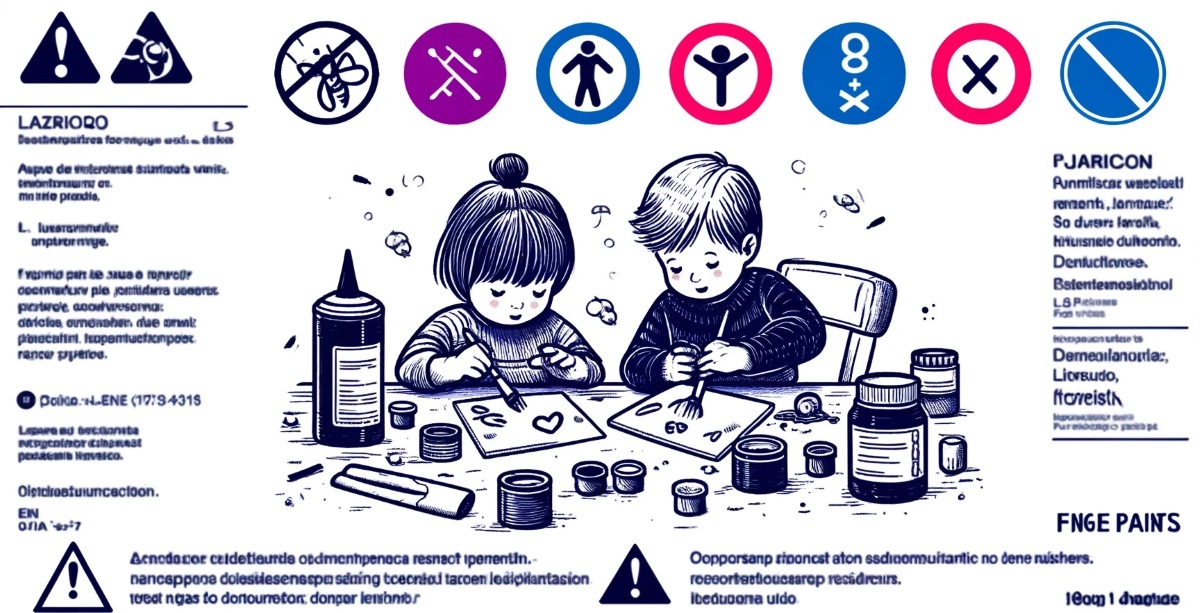
The EN 71-7 standard is a crucial part of the EN 71 series that addresses the safety requirements for finger paints. This standard is essential for ensuring that finger paints used by children in creative play are non-toxic and safe for use. Here is a comprehensive and detailed overview of EN 71-7, presented in clear, everyday English:
EN 71-7 is titled "Safety of toys - Part 7: Finger paints - Requirements and test methods." This standard provides detailed guidelines on the formulation, labeling, and testing of finger paints to ensure they are safe for children.
Purpose
The purpose of EN 71-7 is to minimize the health risks associated with the use of finger paints by children. It focuses on the chemical composition of the paints and the potential risks of ingestion, skin contact, and inhalation.
Scope
This standard applies to:
- All types of finger paints intended for use by children.
- Products marketed as finger paints, including those that may be homemade or commercially produced.
Key Details
EN 71-7 covers several important aspects:
Chemical Restrictions:
- Specifies limits on the use of certain hazardous substances and chemicals in finger paints. This includes heavy metals, formaldehyde, and other potentially toxic ingredients.
- Ensures that the chemical components used do not pose toxicity risks when ingested or come into contact with skin.
Labeling Requirements:
- Requires clear and visible labeling on all finger paint containers. This includes information about ingredients, age suitability, and safety warnings.
- Instructions for use and first aid information must also be provided, ensuring that parents and caregivers are well informed about the safe use of the products.
Testing Methods:
- Describes specific testing methods to verify the absence of harmful substances in the finger paints.
- Includes tests for color fastness, pH levels, and the stability of the paints to ensure they do not degrade into hazardous substances over time.
Packaging and Storage:
- Outlines requirements for the packaging of finger paints to prevent contamination and leakage.
- Specifies conditions for storage to maintain the integrity and safety of the paints before use.
Performance Criteria:
- Sets performance standards for the washability of finger paints, as they are frequently in contact with skin and clothing.
- Requires that the paints be easily removable from skin and most fabrics to reduce the risk of long-term staining or skin irritation.
Importance
EN 71-7 is crucial for ensuring the safety and quality of finger paints used by children. Compliance with this standard helps to:
Protect Children: By ensuring that finger paints are free from harmful chemicals and safe for use in everyday play.
Boost Consumer Confidence: Assures parents and caregivers that the products they are purchasing for their children meet strict safety standards.
Regulatory Compliance: Helps manufacturers adhere to European safety regulations and standards, facilitating market access and enhancing product credibility.
Compliance
Manufacturers of finger paints must ensure their products comply with EN 71-7 by conducting the appropriate tests and providing clear labeling and safety information. Compliance is monitored by regulatory bodies, and non-compliance can result in recalls and penalties.
By adhering to EN 71-7, manufacturers not only meet legal requirements but also contribute to the safe and healthy development of children by providing non-toxic and high-quality creative materials. This standard is an essential part of maintaining high safety standards in the toy industry, ensuring that creative play remains a safe, enjoyable experience for children.
EN 71
is a set of European Standards that specifies safety requirements for
toys.
EN 71-1: Mechanical and Physical Properties
EN 71-2: Flammability
EN 71-3: Migration of Certain Elements
EN 71-4: Experimental Sets for Chemistry and Related Activities
EN 71-5: Chemical Toys (Sets) Other than Experimental Sets
EN 71-6: Graphical Symbols for Age Warning Labeling
EN 71-7: Finger Paints
EN 71-8: Activity Toys for Domestic Use
EN 71-9: Organic Chemical Compounds
EN 71-10: Sample Preparation and Extraction
EN 71-11: Analysis Methods
EN 71-12: N-Nitrosamines and N-Nitrosatable Substances
EN 71-13: Olfactory Board Games, Cosmetic Kits, and Gustative Games
EN 71-14: Trampolines for Domestic Use
The
EN 71 standard is a comprehensive set of regulations that ensure the
safety of toys sold within the European Union. It covers a wide range of
safety aspects, from mechanical and physical properties to chemical
composition and flammability. Compliance with EN 71 is mandatory for
manufacturers and importers of toys in the EU, and it plays a crucial
role in protecting children from potential hazards associated with toys.
*"These standards primarily cover toys and other products manufactured for our children, with a focus on health and safety. Please consider the relevant standards before making any purchase. You are free to share our article, citing it as a source. Automation Mall Community, 03/2022"
 -
-Your shopping cart is empty!