
EN 50342
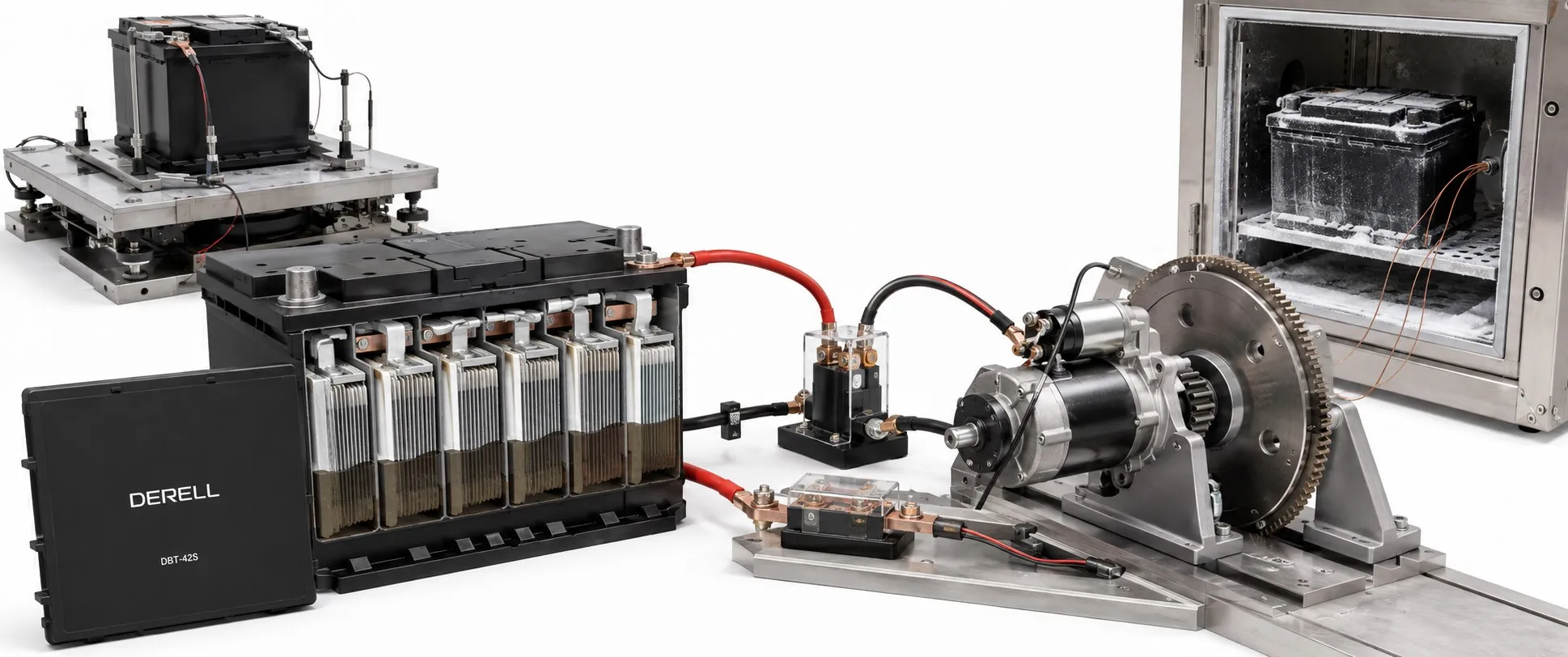
EN 50342: Lead-Acid Starter Batteries for Automotive Applications
EN 50342 is a European standard developed by the European Committee for Electrotechnical Standardization (CENELEC) that specifies the requirements and test procedures for lead-acid starter batteries used in automotive applications. This standard is designed to ensure the safety, performance, and reliability of lead-acid batteries used for starting, lighting, and ignition (SLI) purposes in vehicles.
Scope of EN 50342:
EN 50342 applies to lead-acid batteries specifically designed for starting internal combustion engines in vehicles such as cars, trucks, buses, and motorcycles. It covers various types of lead-acid batteries, including flooded, valve-regulated lead-acid (VRLA), and enhanced flooded batteries (EFB). The standard addresses batteries intended for use in both conventional vehicles with internal combustion engines and hybrid vehicles equipped with start-stop systems.
Key Aspects of EN 50342:
Performance Requirements: EN 50342 specifies performance requirements for lead-acid starter batteries, including criteria for cold cranking ability, capacity, charge acceptance, and cycle life. These requirements ensure that the batteries can provide reliable starting power under various operating conditions.
Testing Procedures: The standard outlines testing procedures to evaluate the performance and durability of lead-acid starter batteries. These include electrical tests (e.g., cold cranking test, capacity test, charge retention test), mechanical tests (e.g., vibration test, terminal strength test), and environmental tests (e.g., corrosion resistance test).
Safety Considerations: EN 50342 includes safety measures to prevent hazards such as leakage, explosion, and fire. It specifies requirements for battery construction, venting systems, and protective features to ensure safe operation in automotive applications.
Marking and Labeling: The standard requires clear marking and labeling of lead-acid starter batteries with details such as voltage, capacity, cold cranking amps (CCA), and safety warnings. This helps users and service personnel easily identify battery specifications and understand associated risks.
Quality Assurance: EN 50342 emphasizes the importance of quality assurance in the manufacturing process of lead-acid starter batteries. It encourages manufacturers to implement quality management systems and conduct regular audits to ensure compliance with the standard.
Importance of EN 50342:
Enhancing Safety: By establishing safety requirements and testing procedures, EN 50342 minimizes the risk of accidents and injuries associated with the use of lead-acid starter batteries in automotive applications.
Improving Reliability: The standard ensures that lead-acid starter batteries are designed and tested for consistent performance, improving the reliability of vehicles’ starting systems.
Facilitating Regulatory Compliance: Compliance with EN 50342 is often required for lead-acid starter batteries used in vehicles sold in European markets. It helps manufacturers meet regulatory obligations and gain market access.
Promoting Industry Best Practices: EN 50342 sets a benchmark for safety and performance in the design and manufacture of lead-acid starter batteries, encouraging best practices and continuous improvement across the automotive battery industry.
In conclusion, EN 50342 is a critical standard for ensuring the safety, performance, and reliability of lead-acid starter batteries used in automotive applications. It provides a comprehensive framework for evaluating and certifying the suitability of lead-acid batteries for starting internal combustion engines in vehicles, contributing to the safe and efficient operation of automotive electrical systems.