
How are emergencies like water leaks and fires detected with smart home automation?
Hello, dear friends,
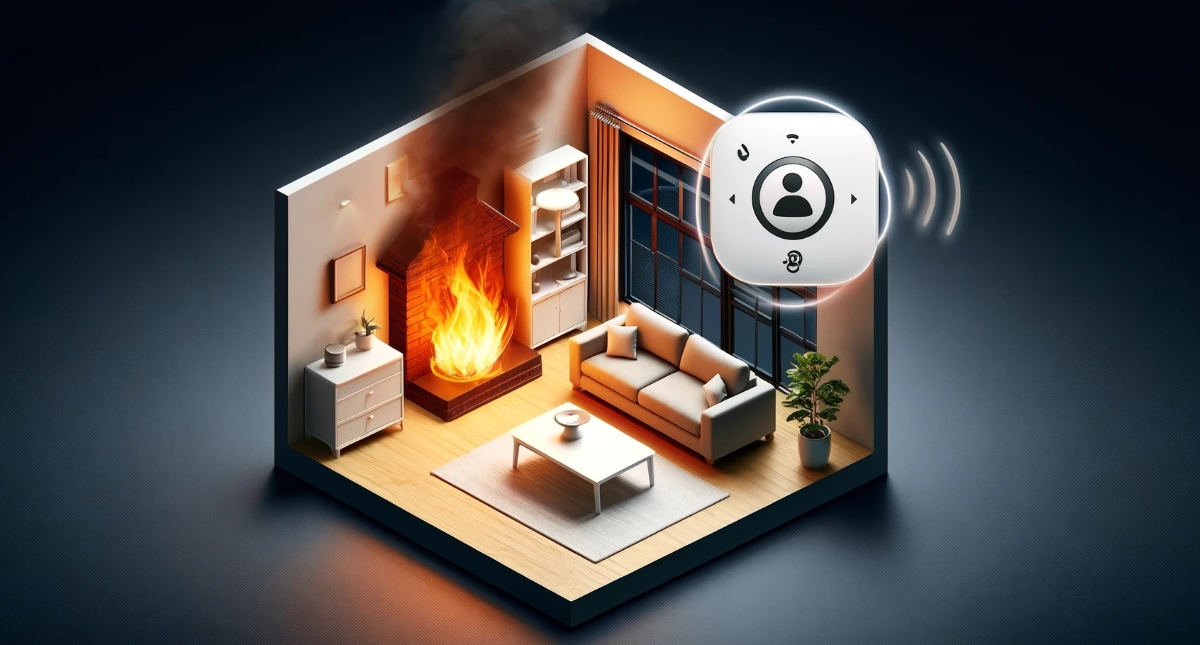
Smart home automation systems are equipped with various sensors and devices to detect and respond to emergencies like water leaks and fires, enhancing the safety and security of the home. These systems can provide early warnings, minimize damage, and even initiate actions to mitigate the effects of such emergencies. Here's a detailed exploration:
Water Leak Detection
Leak Sensors: These sensors are placed in areas prone to water leaks, such as under sinks, near water heaters, or in basements. They detect the presence of water and can send alerts to the homeowner's smartphone or trigger an alarm.
Automatic Shut-off Valves: In the event of a detected leak, smart shut-off valves can automatically close the main water supply to prevent further water damage. This is particularly useful in preventing extensive damage when the homeowner is away.
Moisture and Humidity Sensors: These sensors can monitor the overall humidity levels in the home and detect unusual spikes that may indicate a leak or the presence of dampness that could lead to mold growth.
Fire Detection
Smart Smoke Detectors: These devices detect smoke and can provide early warnings of a fire. They can send alerts to the homeowner's smartphone, sound an alarm, and even provide voice alerts indicating the location of the fire.
Heat Sensors: In addition to smoke detectors, heat sensors can detect rapid increases in temperature, which can indicate a fire. They can be used in areas where smoke detectors may not be practical, such as kitchens.
Integration with Fire Suppression Systems: In some advanced smart home systems, smoke or heat detectors can be integrated with fire suppression systems, such as sprinklers, to automatically extinguish fires before they spread.
Notification and Communication
Remote Alerts: Both water leak and fire detection systems can send real-time alerts to the homeowner's smartphone, allowing for immediate action, even when the homeowner is away from the property.
Central Monitoring Services: Some smart home security systems offer integration with central monitoring services that can dispatch emergency services in the event of a fire or significant water leak.
Automation and Integration
Automated Responses: Smart home systems can be programmed to take automated actions in response to detected emergencies. For example, in the event of a fire, the system can turn off the HVAC system to prevent the spread of smoke and unlock doors for easy evacuation.
Integration with Security Cameras: In the case of an emergency, security cameras can provide live footage of the situation, helping homeowners and emergency responders assess the severity and location of the incident.
Maintenance and Prevention
Regular Testing and Alerts: Smart home systems can remind homeowners to test smoke detectors and leak sensors regularly to ensure they are functioning correctly.
Predictive Maintenance: Some advanced systems can monitor the health of appliances and plumbing to predict potential failures that could lead to water leaks or fires.
In conclusion, smart home automation plays a crucial role in detecting and responding to emergencies like water leaks and fires. Through the use of sensors, automatic shut-off valves, and integration with notification and response systems, smart homes can provide early warnings and take proactive measures to mitigate the impact of these emergencies, thereby enhancing the safety and security of the home and its occupants.
While finding a stable voltage might have been an important comfort yesterday, today our computers, phones, irons, or vacuums have become "smart." Inevitably, we have also welcomed the concept of smart buildings or smart homes. We have discussed the questions you have sent us regarding the conceptual confusions in this topic under the following headings.
- What is building and home automation?
- What does smart home technology encompass?
- Are smart home systems secure?
- How are smart home systems installed?
- Which devices can be controlled with home automation?
- What is the cost of smart home systems?
- Which applications are used to control smart home systems?
- Do smart home systems save electricity?
- How is home security ensured with smart home technologies?
- Do smart home systems work without the internet?
- Is it possible to control smart home systems with voice commands?
- How are heating and cooling controlled with smart home automation?
- How is lighting controlled with smart home automation?
- Which sensors are used in smart home systems?
- What conveniences can smart home automation provide for the elderly and disabled?
- How is remote home control performed with smart home technology?
- How is energy consumption monitored with smart home systems?
- How are emergencies like water leaks and fires detected with smart home automation?
- How are doors and windows controlled with smart home systems?
- How will smart home automation develop in the future?
- Can AI manage home automation?
- Can smart homes detect human emotions?
- Is time travel simulation possible?
- Can smart tech collect health data and predict diseases?
- Can home automation monitor and care for plants?
- Do smart systems meet the needs of pets?
- Can home automation improve mood with energy control?
- Can smart tech lead to conscious objects?
- Can home automation predict future needs?
- Can smart systems aid in personal development?
These questions generally include the ones that may come to mind for many people regarding the "Smart Home"
topic. Each user or student will have their specific questions
depending on a particular situation or application. The answers are not
binding and do not express absolute certainty. There is no objection to sharing our article above, citing it as a source. 09.2022
Your shopping cart is empty!