
Speed control vs torque control?
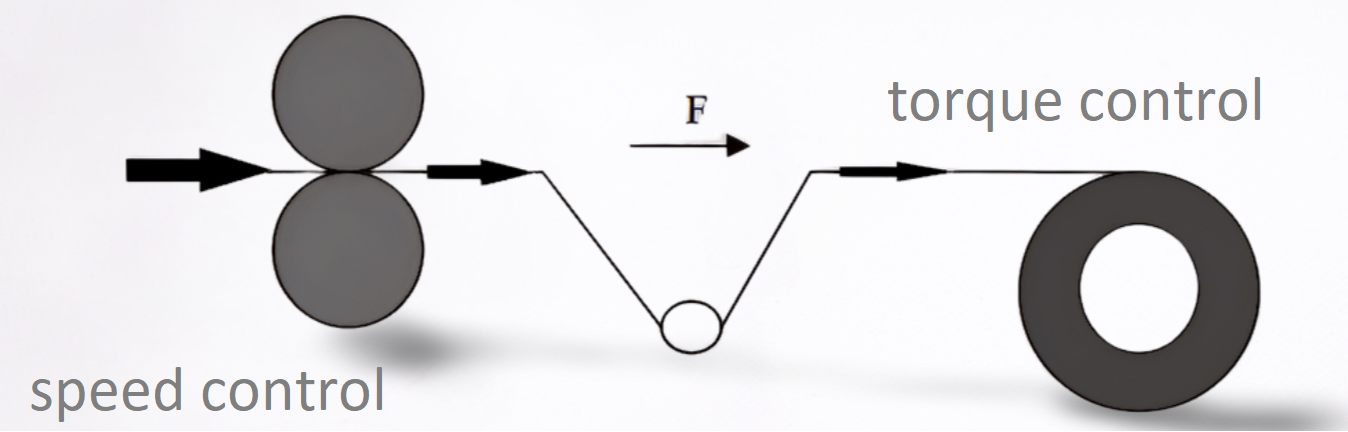
What is the difference between speed control and torque control?
Speed control and torque control are two different ways of controlling the operation of an electric motor. The main difference between the two is the way they control the motor's output.
Speed control is a method of controlling the rotational speed of an electric motor. It is achieved by adjusting the voltage or frequency of the power supplied to the motor. Speed control is typically used in applications where the speed of the motor needs to be maintained at a constant value, such as in conveyor belts or fans.
Torque control is a method of controlling the rotational force (torque) produced by an electric motor. It is achieved by adjusting the current supplied to the motor. Torque control is typically used in applications where the motor needs to produce a specific amount of torque, such as in pumps or elevators.
Overall, speed control and torque control are two different approaches to managing the operation of an electric motor, and the appropriate approach will depend on the specific requirements of the application.
From my perspective, speed control often looks simpler at first glance. But once real-world applications are considered, the picture changes. For example, in a crane, the load may not descend at a constant speed; here, torque control steps in to ensure both safety and stability.
Speed control is ideal for fans or pumps, since the goal is to regulate airflow or flow rate. But if you use the same drive in a press machine, speed control alone won’t be enough; the press requires a specific force to operate properly. The control strategy must always be chosen based on the field requirements.
Torque control’s key advantage is its ability to handle sudden load changes. When load increases abruptly, the motor continues to provide constant torque, ensuring the system keeps running smoothly without interruption. This is a major benefit in production lines where continuity is critical.
My advice: selecting a drive based only on catalog values is a serious mistake. The nature of the work, load characteristics, and whether speed or force is critical must be considered. Otherwise, a wrong choice can affect not only energy efficiency but also the machine’s lifetime and safety.
Finally, it should be remembered: speed control and torque control are not competitors but complementary concepts. In well-designed projects, both approaches are blended properly. The real goal is not just to rotate the motor but to manage the load in the safest and most efficient way.
+ What is Torque control?
+ Understanding VFD
+ What to Consider When Choosing a VFD
+ What is treverse function?
+ What is constant torque for VFD?
Your shopping cart is empty!