
Used Fork sensors

Fork sensors are a type of photoelectric sensor that consists of an emitter and receiver placed opposite each other within a fork-shaped housing. The emitter emits a beam of light that is received by the receiver. When an object passes through the fork, it interrupts the beam of light, causing a change in the sensor's output. Fork sensors are commonly used for detecting objects on conveyors and in packaging and material handling applications. They are available in various sizes and can be used to detect objects of different shapes and sizes.
Types of Fork Sensors:
There are two main types of fork sensors: through-beam and reflective.
Through-beam fork sensors have separate emitter and receiver units, with the emitter unit located on one side of the fork and the receiver unit located on the other. The fork itself acts as the interruption surface, and the sensor can detect when an object passes through the fork and interrupts the light beam.
Reflective fork sensors have both the emitter and receiver units on the same side of the fork, with the light beam reflecting off a reflector located on the other side of the fork. When an object passes through the fork and interrupts the light beam, the sensor detects the interruption.
Applications of Fork Sensors:
Fork sensors are commonly used in industrial automation and manufacturing applications for detecting the presence or absence of objects. They are particularly useful in applications where precise alignment is important, such as in the detection of small parts, bottles, or vials on a production line. Fork sensors are also commonly used in packaging and material handling applications, as well as in the detection of label gaps or registration marks on printing or converting equipment.
Considerations for Choosing a Fork Sensor:
When choosing a fork sensor for an application, it is important to consider factors such as the sensing range, operating conditions, and the size and shape of the objects being detected. Other important considerations may include the response time of the sensor, the required accuracy, and the ease of installation and maintenance. Some sensors may also be designed for specific applications, such as the detection of transparent or translucent objects.
Overall, fork sensors are a reliable and versatile option for object detection in a variety of industrial and manufacturing applications.
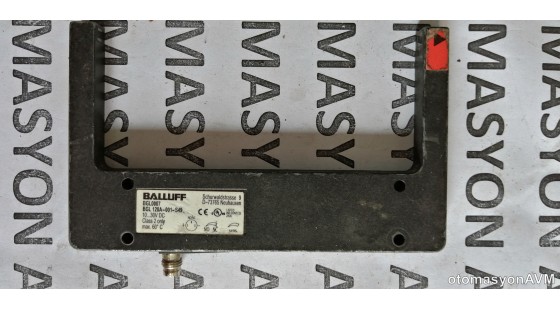
BALLUFF BGL0007 BGL 120A-001-S49
Hello , Wellcome to our BALLUFF (BGL0007) BGL 120A-001-S49 / Fork sensor, 120 mm,PNP nor..
1.00USD Ex Tax: 1.00USD
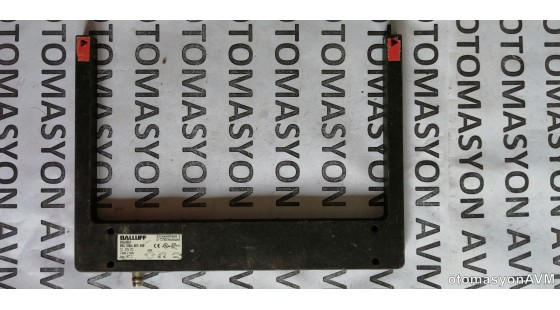
BALLUFF BGL000J BGL 180A-001-S49
Hello , Wellcome to our BALLUFF (BGL000J) BGL 180A-001-S49, Fork sensor ,180 mm, I..
1.00USD Ex Tax: 1.00USD
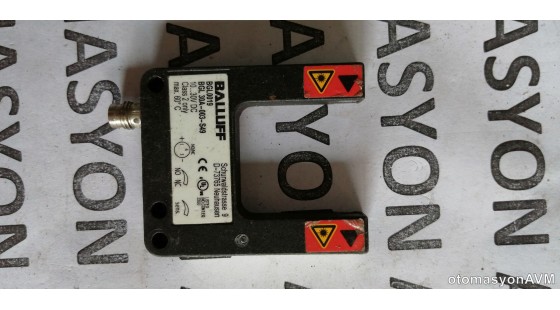
BALLUFF BGL0019 BGL 30A-003-S49
Hello , Wellcome to our BALLUFF BGL0019 (BGL 30A-003-S49) Fork sensors with transmitter ..
1.00USD Ex Tax: 1.00USD
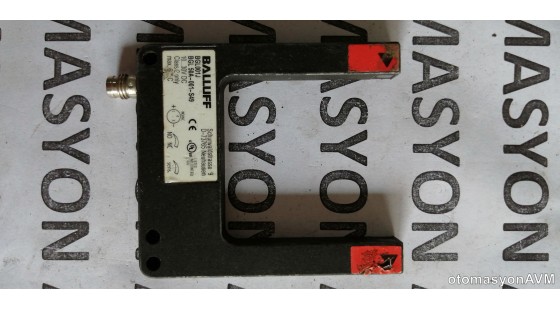
BALLUFF BGL001J BGL 50A-001-S49
Hello , Wellcome to our BALLUFF BGL001J (BGL 50A-001-S49) Fork sensor, one housing are e..
1.00USD Ex Tax: 1.00USD
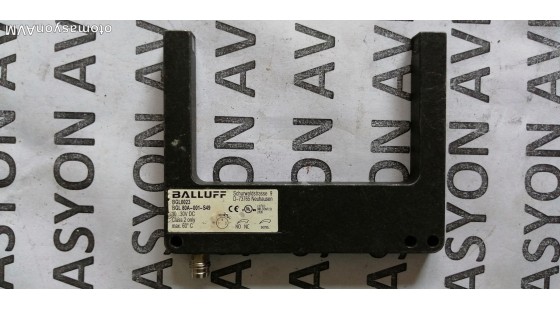
BALLUFF BGL0023 BGL80A-001-S49
Hello , Wellcome to our BALLUFF BGL0023 (BGL80A-001-S49) - Fork sensor,80 mm, PNP (NO+NC..
1.00USD Ex Tax: 1.00USD