
What are the main differences between MPPT inverters and conventional inverters?
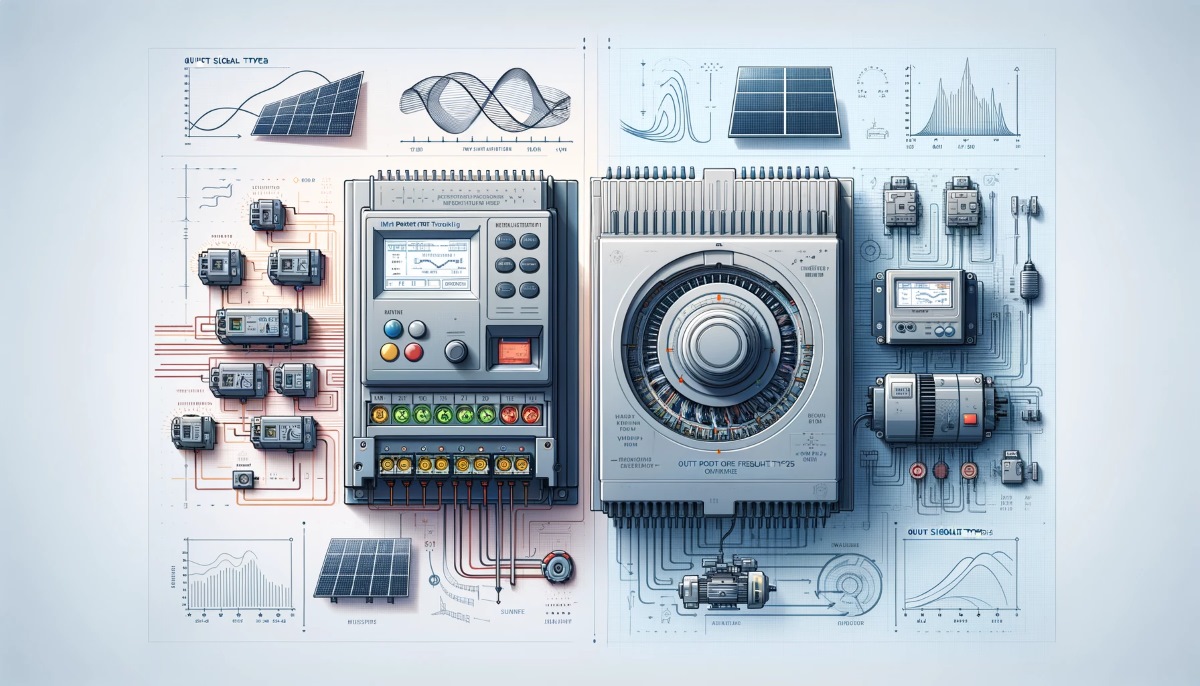
Hello, friends of solar energy,
Inverters are critical components of any solar power system. They convert the direct current (DC) electricity produced by solar panels into alternating current (AC) electricity that can be used in homes or businesses or sent back to the electric grid.
A conventional inverter, sometimes referred to as a string inverter, simply performs this conversion process. However, they may not be optimized for efficiency under all conditions.
MPPT (Maximum Power Point Tracking) inverters, on the other hand, are a type of inverter with smart technology that enables them to optimize the conversion process based on the current conditions. Here are the main differences:
Power Optimization: The main difference is the ability of MPPT inverters to optimize the power output from a solar array. MPPT technology allows the inverter to adjust the voltage and current to maximize power output in any given conditions. This is especially useful in partially shaded conditions, as it can adjust to deliver maximum power even when the output from the panels is uneven.
Efficiency: MPPT inverters are generally more efficient than conventional inverters. They can extract more power from the same amount of sunlight because they continually adjust to track the maximum power point of the panels.
Complexity and Cost: MPPT inverters are typically more complex and more expensive than traditional inverters. They have more sophisticated electronics and software that enable them to perform the maximum power point tracking function.
Flexibility: MPPT inverters usually offer more flexibility than traditional inverters. Some MPPT inverters can handle inputs from solar panels that are oriented in different directions or are on different angles, which is not always possible with conventional inverters.
Mitigating Shading Issues: If one solar panel in a string of panels (connected to a string inverter) is shaded, it can decrease the performance of the entire string. But if each panel has its own MPPT controller, only the shaded panel's performance will drop, allowing the others to function at their full potential.
Just to clarify, sometimes the MPPT function is incorporated into solar charge controllers instead of, or as well as, the inverters. But in any case, the function helps to maximize the efficiency of the solar power system.
Your shopping cart is empty!