
What are the different types of solar panels?
Hello, friends of solar energy,
- What are the different types of solar panels (monocrystalline, polycrystalline, thin film, etc.), and what are the differences between them?
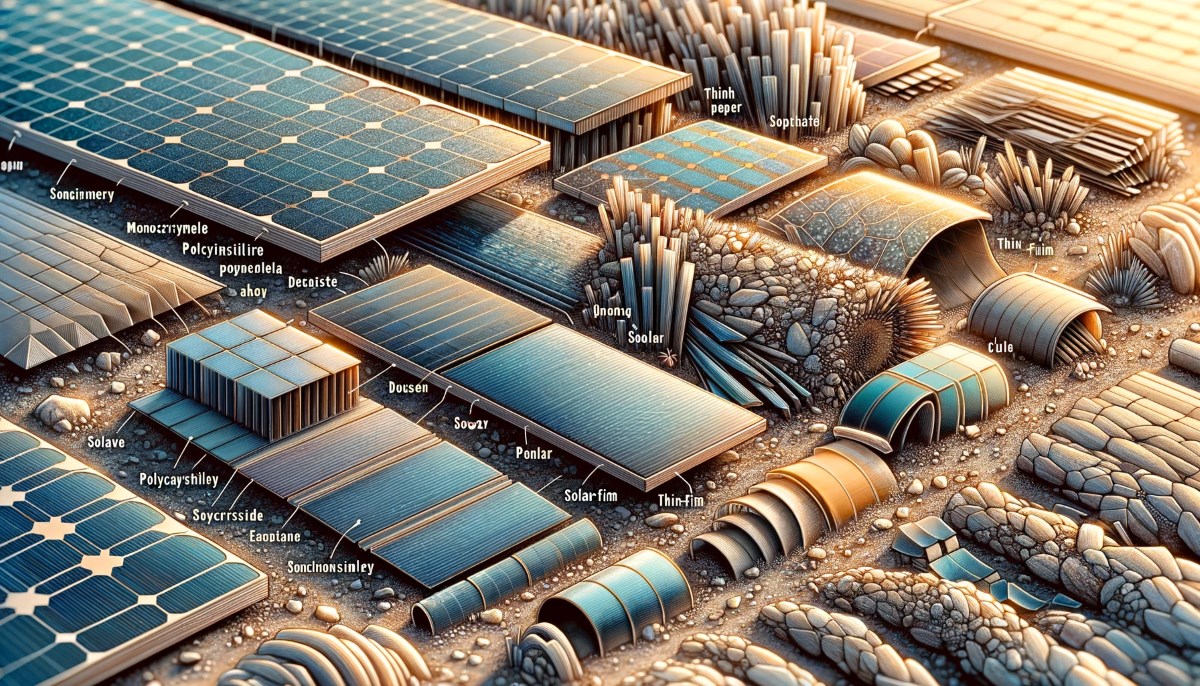
There are three main types of solar panels that are commonly used: monocrystalline, polycrystalline (also known as multicrystalline), and thin-film. Each type has its own advantages and disadvantages.
1. Monocrystalline Solar Panels (Mono-Si):
Monocrystalline panels are recognized by their uniform dark look and rounded edges. The solar cells within monocrystalline panels are a single, flat color, and are cut from a single, pure crystal.
Advantages:
- Highest efficiency rates because they are made out of the highest-grade silicon (typically above 20%).
- Longer lifespan, most manufacturers offer a 25-year warranty.
- They perform better in low-light conditions compared to other types of solar panels.
Disadvantages:
- Most expensive due to the manufacturing process to create pure silicon.
2. Polycrystalline Solar Panels (p-Si):
Polycrystalline panels have squares, their angles are not cut, and have a blue, speckled look. They are made by melting multiple silicon fragments together.
Advantages:
- Lower cost than monocrystalline panels.
- The process used to create polycrystalline silicon is simpler and costs less.
Disadvantages:
- Lower efficiency and lifespan compared to monocrystalline panels (typically 15-17% efficiency).
3. Thin-Film Solar Cells (TFSC):
Thin-film solar cells are made by depositing a thin layer of photovoltaic material onto a solid surface. The photovoltaic material can be amorphous silicon (a-Si), cadmium telluride (CdTe), copper indium gallium selenide (CIGS), or organic photovoltaic cells (OPC).
Advantages:
- Most affordable option of the three types.
- High temperatures or low light conditions do not affect performance as much as mono- or polycrystalline.
- They have a uniform appearance which some homeowners prefer.
Disadvantages:
- Lower efficiency than mono- and polycrystalline solar panels (typically 10-12%).
- Takes up a lot of space, not ideal for residential use.
- Shorter lifespan and warranty (around 10-15 years).
Each of these types of solar panels can be the best choice depending on the specific situation. The decision depends on the amount of space available, the total budget for the project, and the specific energy needs of the household or business.
Expanding the potential of solar energy and solar systems with interesting and speculative questions can be very exciting. Solar energy has already become a part of our lives, even if it undergoes transformation in the future. Here are some example questions from our visitors:
- What is a solar panel and how does it work?
- How long does it take to install solar panels?
- What type of roof is required for solar panel installation?
- How often should solar panels be maintained?
- How long do solar panels last?
- What are the different types of solar panels (monocrystalline, polycrystalline, thin film, etc.), and what are the differences between them?
- How is the efficiency of solar panels measured?
- How do weather conditions affect the efficiency of solar panels?
- Can solar panels produce energy without sunlight (at night or during cloudy weather)?
- Do I need an inverter in my solar panel system?
- What is the difference between string inverters and micro-inverters?
- What is the environmental impact of solar panel systems?
- What is the cost of installing solar panels, and how long will it take to recoup this cost?
- What incentives can I get from the government or other sources for installing solar panels?
- What can I do to increase energy efficiency in solar panel systems?
- Solar systems with interesting and speculative questions !!
- How about I put a solar panel on the roof of my car?- Movies and TV shows with Solar energy?
+ Back to solar system main page -
These questions often include those that many people may have in mind about Solar energy. Each user or student will have their specific questions depending on a particular situation or application. The answers are not binding or entirely definitive. "You are welcome to share the article above, as long as you provide the appropriate attribution.02/2020"
Your shopping cart is empty!