
How much impact does an MPPT inverter have on energy production?
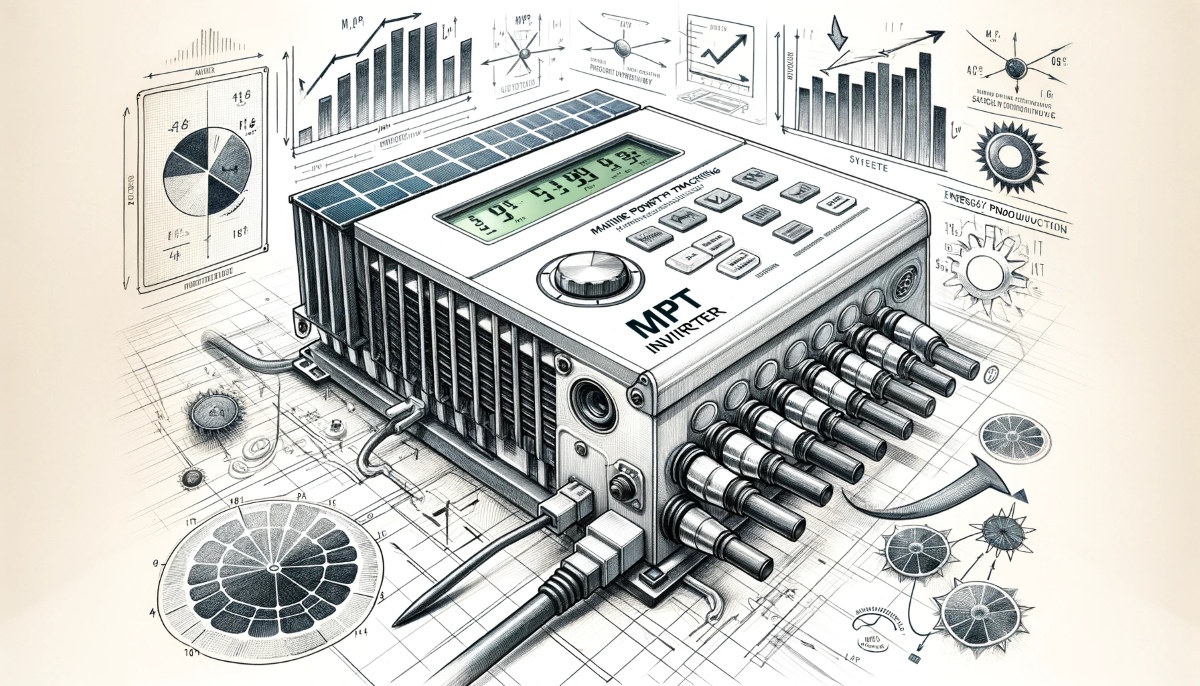
Hello, friends of solar energy,
MPPT (Maximum Power Point Tracking) inverters can significantly increase the energy production of a photovoltaic system. The exact amount can vary depending on a variety of factors, such as the type and number of solar panels, the climate, and the time of year.
The purpose of an MPPT inverter is to optimize the conversion of solar power into usable electric power by constantly tracking and operating at the maximum power point of the photovoltaic system. Depending on conditions, MPPT technology can increase energy production by up to 10-30% compared to conventional inverters.
There are several key factors where the MPPT inverter can boost energy production:
Changing Weather Conditions: The power output of solar panels can fluctuate throughout the day due to changing sunlight conditions. An MPPT inverter can optimize power output even when sunlight conditions are variable, such as on a partially cloudy day.
Temperature Changes: Solar panel efficiency can be affected by temperature. Higher temperatures can decrease the efficiency of the solar panels. The MPPT algorithm takes this into account and optimizes power output accordingly.
Panel Mismatch or Shading: In systems where panels are mismatched due to manufacturing variations, aging, or partial shading, MPPT can maximize the power output from each individual panel or string of panels, thereby increasing the overall energy production.
As a result, while the exact impact can vary based on specific circumstances, the use of an MPPT inverter can substantially enhance the energy production of a photovoltaic system.
Your shopping cart is empty!