
What is the noise level of solar inverters?
Hello, friends of solar energy,
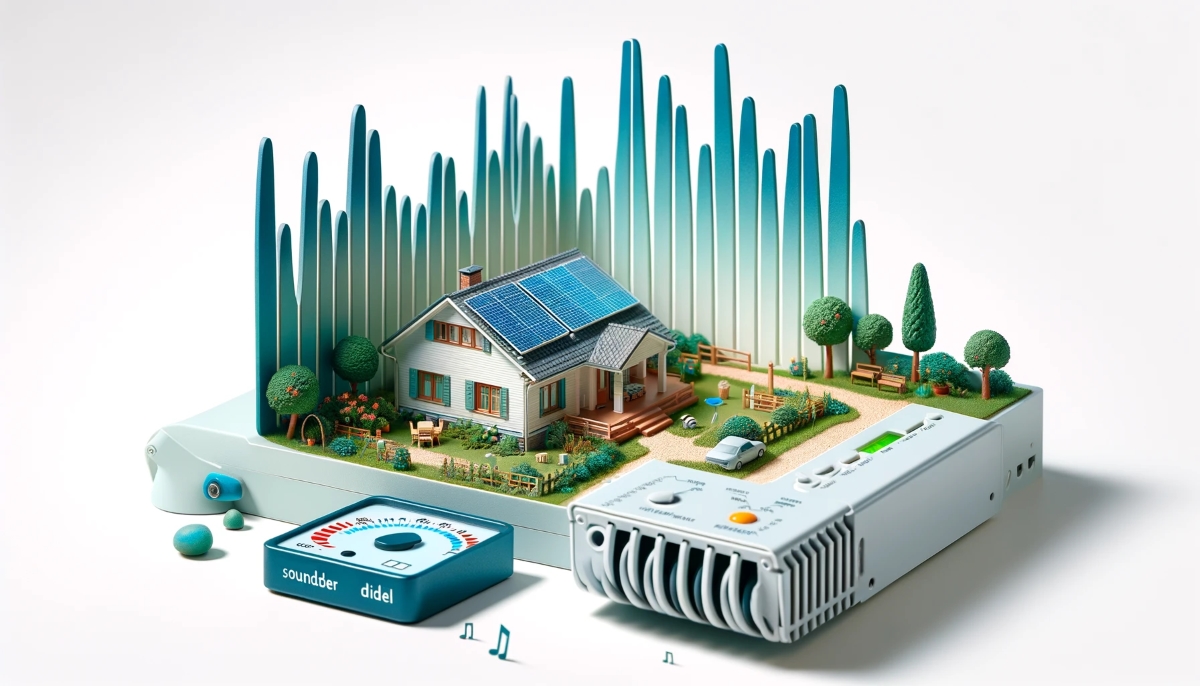
Solar inverters, especially those that are well-designed and correctly installed, tend to operate fairly quietly. They do produce some noise due to the conversion of DC to AC power and the associated cooling fans in the devices, but this is generally not disruptive.
The noise level of a solar inverter is typically measured in decibels (dB), and the average residential solar inverter operates at around 40-60 dB, which is similar to the noise level in a typical office or residential area.
However, it's worth noting that the noise level can vary based on the brand, model, and size of the inverter, as well as the load it is handling at any given time. Higher loads may cause the inverter to produce more noise.
In general, the inverter should be located in a well-ventilated area to help keep it cool and reduce the need for the fans to work as hard, which can also help to minimize noise.
Also, for those living in close proximity to neighbors or in particularly noise-sensitive environments, micro-inverters (which are smaller and installed directly on each panel) can be a quieter alternative to traditional string inverters.
Always check the specifications of the solar inverter model you are considering for its noise level rating. If noise is a concern, consider discussing this with your solar installer to ensure you choose a system that meets your needs.
"Solar inverters have become indispensable to us. Different brands and models of solar inverters are already present in many homes and businesses. Now, solar drivers are also found in other sectors of the industry and agricultural irrigation systems. Here are some example questions we received from our visitors."
- What exactly does a solar inverter do?
- How does a solar inverter work?
- How is a solar inverter installed and maintained?
- What are the different types of solar inverters?
- How much energy savings can solar inverters provide?
- Which brand and model of solar inverter should I choose?
- What is the lifespan of a solar inverter?
- What should I do if my solar inverter malfunctions?
- What kind of maintenance is required for solar inverters?
- How safe are solar inverters?
- What are the environmental impacts of solar inverters?
- How much does a solar inverter cost, and how can I cover this cost?
- What size solar inverter should I install in my home or business?
- How is the efficiency of solar inverters measured?
- In what weather conditions can solar inverters operate?
- What should I consider when buying a solar inverter?
- How do warranty periods and services work for solar inverters?
- What is the noise level of solar inverters?
- Can solar inverters be used during power outages?
- How and when should I replace the battery of my solar inverter?
These types of questions provide an
interesting starting point to think about what kinds of applications and
advancements solar energy and solar systems could bring in the future.
As technology progresses rapidly, even ideas that seem speculative today
might become reality. The answers are not binding or entirely
definitive. "You are welcome to share the article above, as long as you provide the appropriate attribution.02/2020"
Your shopping cart is empty!