
In what weather conditions can solar inverters operate?
Hello, friends of solar energy,
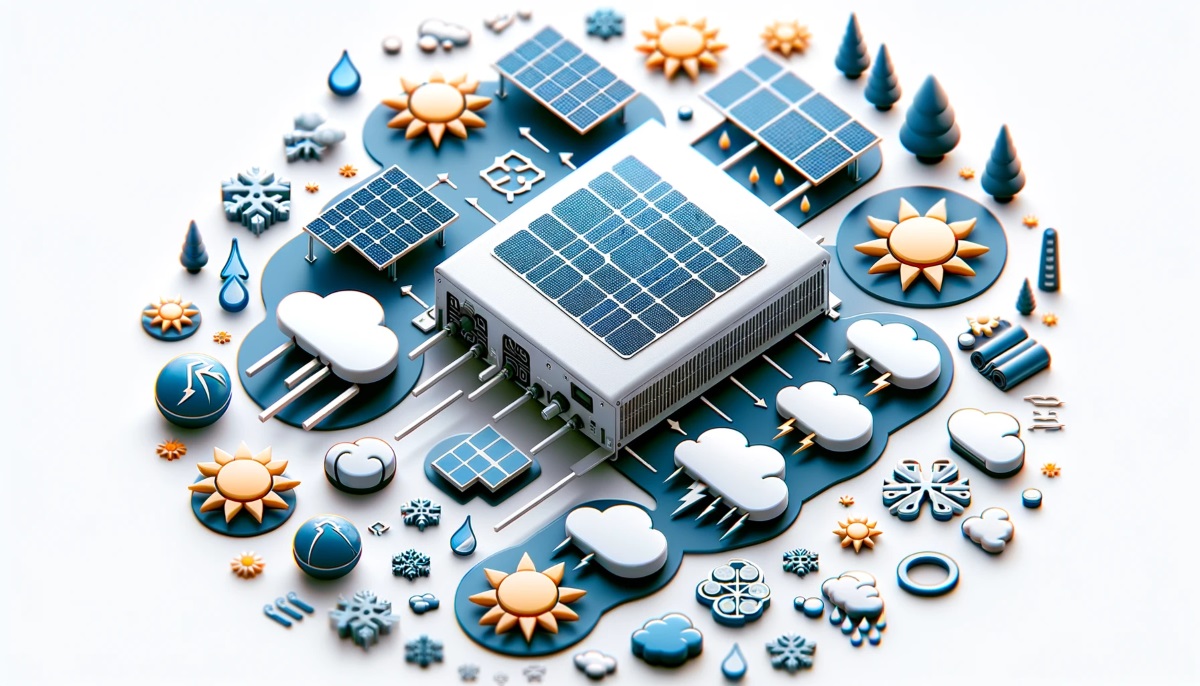
Solar inverters are designed to withstand a variety of weather conditions, given that they are part of a system meant to be installed outdoors. However, their performance can vary depending on the specific conditions:
Sunlight: Solar inverters operate most efficiently in bright sunlight, as this is when the solar panels can generate the most electricity. However, they will still operate, albeit less efficiently, in cloudy or overcast conditions.
Temperature: Solar inverters are typically rated to operate within a certain temperature range. While they can handle high temperatures, their efficiency may decrease if the temperature gets too high. Extremely cold temperatures can also impact their operation, although this is less common.
Rain/Snow: Most solar inverters are designed to be weatherproof and can handle rain and snow. However, extreme weather conditions like heavy snowfall or prolonged periods of rain might affect the inverter's performance. It's important to make sure that the inverter is properly installed and shielded from the elements.
Wind: Solar inverters are generally not affected by wind, but extreme wind conditions can potentially damage the inverter if it's not properly secured.
It's important to note that the operational limits can vary between different brands and models of solar inverters. When choosing a solar inverter, it's important to consider the typical weather conditions in your area and to choose a model that can withstand those conditions.
For maintenance and longevity, it's crucial to regularly inspect the inverter and the rest of the solar panel system, especially after severe weather events, to ensure that there's no damage or other issues that could affect the system's performance.
"Solar inverters have become indispensable to us. Different brands and models of solar inverters are already present in many homes and businesses. Now, solar drivers are also found in other sectors of the industry and agricultural irrigation systems. Here are some example questions we received from our visitors."
- What exactly does a solar inverter do?
- How does a solar inverter work?
- How is a solar inverter installed and maintained?
- What are the different types of solar inverters?
- How much energy savings can solar inverters provide?
- Which brand and model of solar inverter should I choose?
- What is the lifespan of a solar inverter?
- What should I do if my solar inverter malfunctions?
- What kind of maintenance is required for solar inverters?
- How safe are solar inverters?
- What are the environmental impacts of solar inverters?
- How much does a solar inverter cost, and how can I cover this cost?
- What size solar inverter should I install in my home or business?
- How is the efficiency of solar inverters measured?
- In what weather conditions can solar inverters operate?
- What should I consider when buying a solar inverter?
- How do warranty periods and services work for solar inverters?
- What is the noise level of solar inverters?
- Can solar inverters be used during power outages?
- How and when should I replace the battery of my solar inverter?
These types of questions provide an interesting starting point to think about what kinds of applications and advancements solar energy and solar systems could bring in the future. As technology progresses rapidly, even ideas that seem speculative today might become reality. The answers are not binding or entirely definitive. "You are welcome to share the article above, as long as you provide the appropriate attribution.02/2020"
Your shopping cart is empty!