
How much energy savings can solar inverters provide?
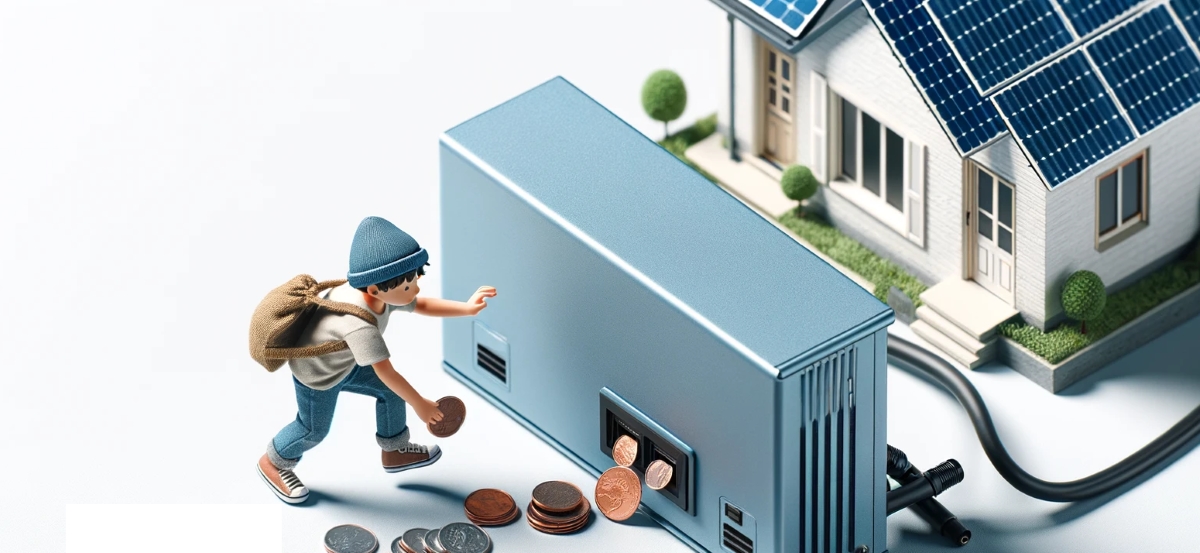
Hello, friends of solar energy,
Solar inverters themselves do not provide energy savings per se; rather, they are an essential part of a solar power system which can lead to substantial energy savings.
The actual amount of energy savings a solar power system can provide depends on several factors, including:
Solar Resource: This refers to the amount of sunlight available in your location. The more sunlight your area receives, the more energy your solar panels can produce.
System Size: The size of your solar panel system will determine how much energy you can produce. Larger systems can generate more electricity.
Energy Usage: The amount of energy you use in your home or business also affects your savings. If you use a lot of energy, a solar power system can potentially save you more.
Grid Electricity Costs: The cost of electricity from the grid in your area will affect how much money you save by generating your own electricity.
Incentives and Policies: Government policies and incentives can also significantly affect the economics of solar power. For example, some areas have net metering policies that allow you to sell excess electricity back to the grid, effectively earning you money.
Overall, a well-designed solar power system can often offset a significant portion of your electricity bill, leading to substantial savings over the life of the system. In many cases, the system can even pay for itself through energy savings and incentives within a few years. However, the exact savings will vary depending on the factors listed above. It's also worth noting that while solar inverters are a crucial part of this system, they also consume a small amount of the power they convert, typically around 1-2%.
"Solar inverters have become indispensable to us. Different brands and models of solar inverters are already present in many homes and businesses. Now, solar drivers are also found in other sectors of the industry and agricultural irrigation systems. Here are some example questions we received from our visitors."
- What exactly does a solar inverter do?
- How does a solar inverter work?
- How is a solar inverter installed and maintained?
- What are the different types of solar inverters?
- How much energy savings can solar inverters provide?
- Which brand and model of solar inverter should I choose?
- What is the lifespan of a solar inverter?
- What should I do if my solar inverter malfunctions?
- What kind of maintenance is required for solar inverters?
- How safe are solar inverters?
- What are the environmental impacts of solar inverters?
- How much does a solar inverter cost, and how can I cover this cost?
- What size solar inverter should I install in my home or business?
- How is the efficiency of solar inverters measured?
- In what weather conditions can solar inverters operate?
- What should I consider when buying a solar inverter?
- How do warranty periods and services work for solar inverters?
- What is the noise level of solar inverters?
- Can solar inverters be used during power outages?
- How and when should I replace the battery of my solar inverter?
These types of questions provide an interesting starting point to think about what kinds of applications and advancements solar energy and solar systems could bring in the future. As technology progresses rapidly, even ideas that seem speculative today might become reality. The answers are not binding or entirely definitive. "You are welcome to share the article above, as long as you provide the appropriate attribution.02/2020"
Your shopping cart is empty!