
Can solar inverters be used during power outages?
Hello, friends of solar energy,
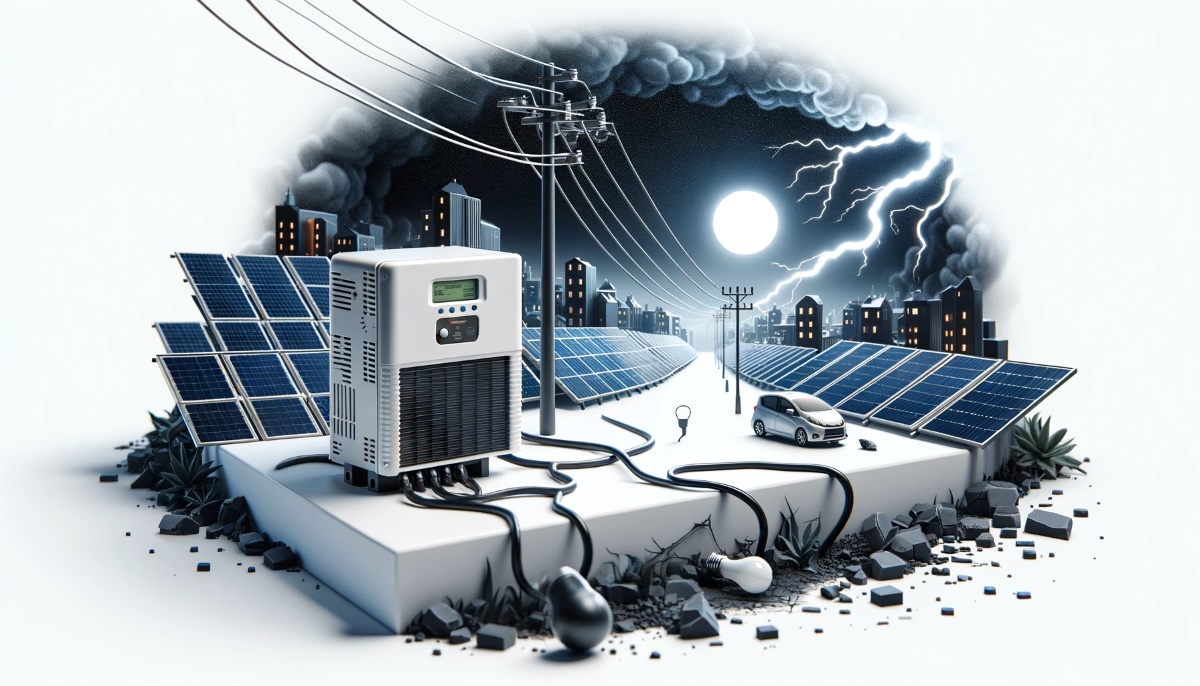
The ability to use a solar inverter during a power outage depends on the type of system and setup you have. Here are the possibilities:
Grid-Tied Systems without Battery Backup: Most solar panel systems are tied to the grid and do not include a battery backup system. These systems are designed to shut off during a grid outage for safety reasons, mainly to prevent backfeeding power into the grid, which can be dangerous for repair crews working on the power lines. So, in this case, your solar inverter will not provide power during an outage.
Grid-Tied Systems with Battery Backup: Some solar systems are grid-tied but also include a battery backup system. In these cases, if the grid goes down, your solar inverter can still provide power by drawing from the batteries. The solar panels can continue charging the batteries during the day, as long as the inverter is of a type that can operate independently of the grid (sometimes referred to as "islanding" capability).
Off-Grid Systems: If your solar system is completely off-grid, then you are not affected by grid outages. Your solar inverter will continue to convert solar power to electricity, and your system's battery bank will provide power when the panels are not producing (like at night or during periods of low light).
In summary, to have power during a grid outage, you need either an off-grid system or a grid-tied system with battery backup and an inverter that can safely function when the grid is down. However, these systems are typically more expensive than standard grid-tied systems without batteries, due to the additional cost of the batteries and the more complex inverter.
"Solar inverters have become indispensable to us. Different brands and models of solar inverters are already present in many homes and businesses. Now, solar drivers are also found in other sectors of the industry and agricultural irrigation systems. Here are some example questions we received from our visitors."
- What exactly does a solar inverter do?
- How does a solar inverter work?
- How is a solar inverter installed and maintained?
- What are the different types of solar inverters?
- How much energy savings can solar inverters provide?
- Which brand and model of solar inverter should I choose?
- What is the lifespan of a solar inverter?
- What should I do if my solar inverter malfunctions?
- What kind of maintenance is required for solar inverters?
- How safe are solar inverters?
- What are the environmental impacts of solar inverters?
- How much does a solar inverter cost, and how can I cover this cost?
- What size solar inverter should I install in my home or business?
- How is the efficiency of solar inverters measured?
- In what weather conditions can solar inverters operate?
- What should I consider when buying a solar inverter?
- How do warranty periods and services work for solar inverters?
- What is the noise level of solar inverters?
- Can solar inverters be used during power outages?
- How and when should I replace the battery of my solar inverter?
These types of questions provide an interesting starting point to think about what kinds of applications and advancements solar energy and solar systems could bring in the future. As technology progresses rapidly, even ideas that seem speculative today might become reality. The answers are not binding or entirely definitive. "You are welcome to share the article above, as long as you provide the appropriate attribution.02/2020"
Your shopping cart is empty!