
What are the main factors affecting the output power of MPPT inverters?
Hello, friends of solar energy,
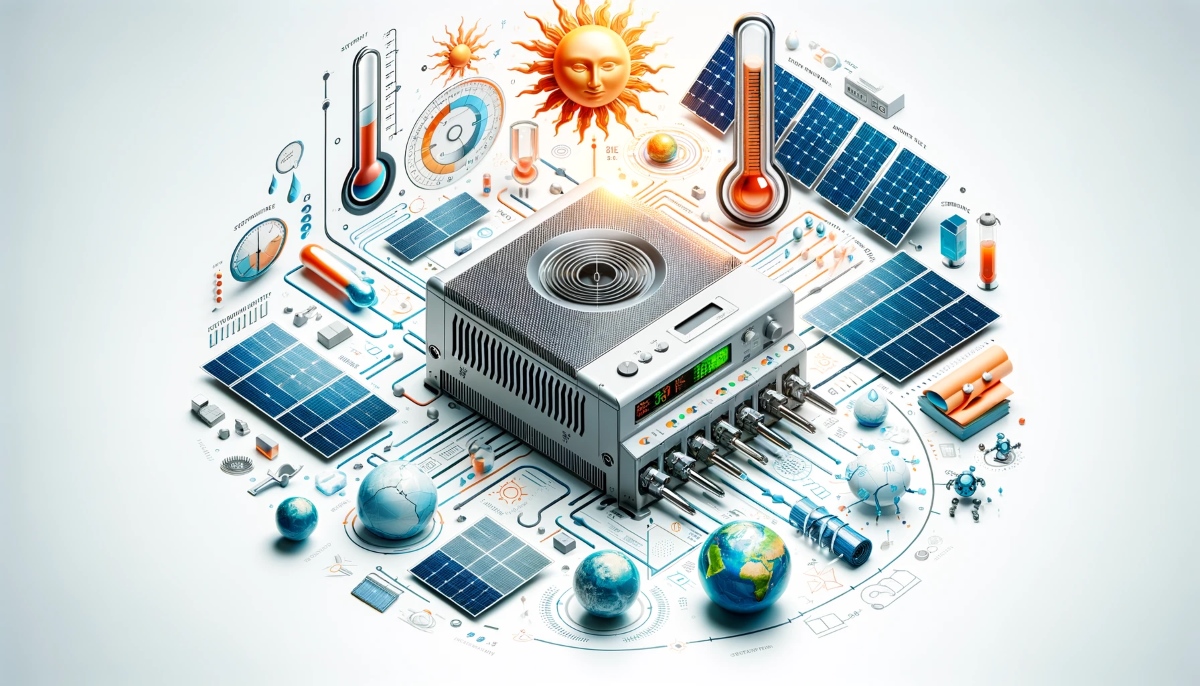
The output power of MPPT (Maximum Power Point Tracking) inverters is influenced by several key factors. Here are the main factors that affect the output power of MPPT inverters:
Solar Irradiance: Solar irradiance refers to the amount of sunlight that reaches the solar panels. Higher solar irradiance levels result in increased power production by the solar panels, which in turn affects the output power of the MPPT inverter.
Temperature: The temperature of the solar panels has an impact on their performance. Higher temperatures can lead to reduced efficiency and power output. MPPT inverters typically have built-in temperature sensors to adjust their operation and optimize power extraction based on the panel temperature.
Shading and Obstructions: Shading on solar panels, caused by objects like trees, buildings, or other nearby structures, can significantly impact power production. MPPT inverters can mitigate the effect of shading by continuously tracking the maximum power point and adapting to the changing conditions.
Panel Mismatch: If the solar panels in a PV system are not perfectly matched in terms of voltage and current characteristics, the overall power production can be affected. MPPT inverters with multiple MPPT trackers can handle panel mismatch more effectively by optimizing each panel's output individually.
System Voltage and Current: The voltage and current levels of the PV system affect the power output of the MPPT inverter. The inverter must be properly sized and configured to match the system's voltage and current requirements to achieve optimal power conversion and output.
Inverter Efficiency: The efficiency of the MPPT inverter itself plays a crucial role in the power output. Higher efficiency inverters minimize power losses during the DC-to-AC conversion process, resulting in improved output power.
It's important to note that the specific impact of these factors can vary based on the specific system configuration, inverter model, and environmental conditions. Proper system design, accurate sizing, and regular maintenance are essential to ensure optimal power output from MPPT inverters.
Your shopping cart is empty!