
How is the efficiency of solar inverters measured?
Hello, friends of solar energy,
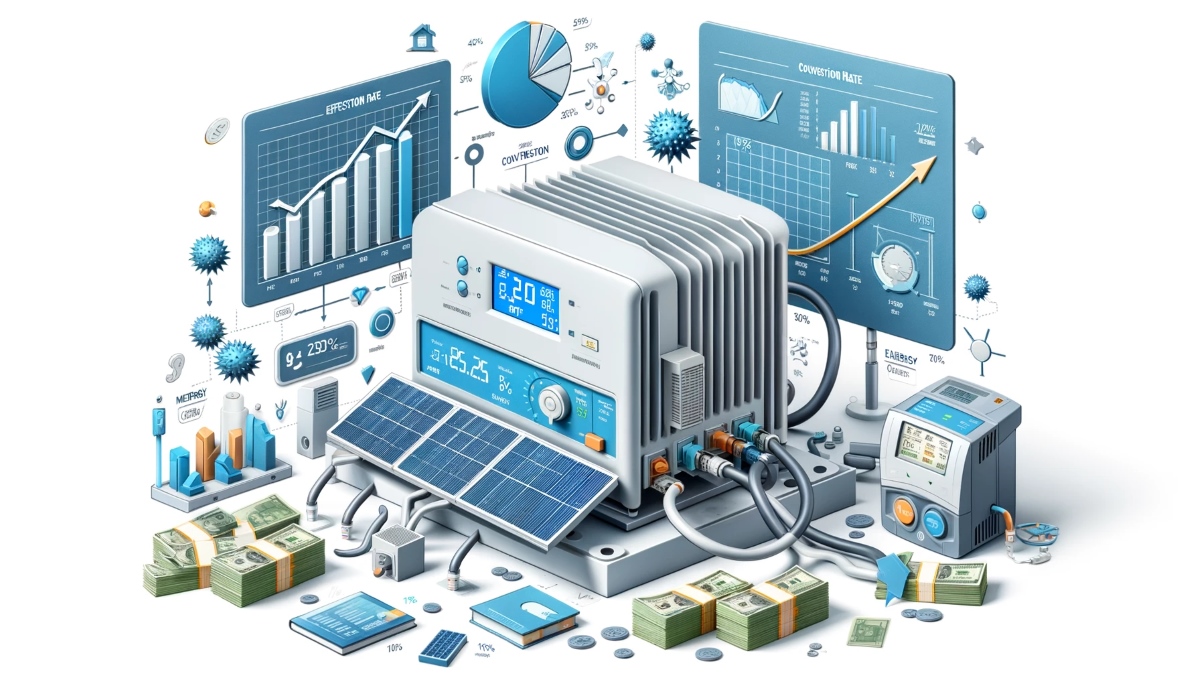
The efficiency of a solar inverter is typically measured as a percentage and refers to the ratio of power output to power input. In other words, it represents how much of the power that the inverter receives from the solar panels is successfully converted to AC power for use in your home or business.
Efficiency is usually determined under ideal conditions, which means under full sunlight and at a specific temperature, typically 25 degrees Celsius. This is often referred to as the "peak efficiency" of the inverter.
However, it's important to note that the conditions under which peak efficiency is achieved are not always reflective of the real-world conditions that the inverter will operate under. Therefore, in addition to peak efficiency, many inverters also provide a "weighted efficiency" or "European efficiency". This is a measure of the inverter's efficiency at different levels of sunlight and temperatures, giving a more realistic view of its expected performance.
When evaluating solar inverters, it's important to consider both peak and weighted efficiency. While a high peak efficiency is desirable, an inverter that maintains a high level of efficiency under varying conditions can provide better overall performance.
"Solar inverters have become indispensable to us. Different brands and models of solar inverters are already present in many homes and businesses. Now, solar drivers are also found in other sectors of the industry and agricultural irrigation systems. Here are some example questions we received from our visitors."
- What exactly does a solar inverter do?
- How does a solar inverter work?
- How is a solar inverter installed and maintained?
- What are the different types of solar inverters?
- How much energy savings can solar inverters provide?
- Which brand and model of solar inverter should I choose?
- What is the lifespan of a solar inverter?
- What should I do if my solar inverter malfunctions?
- What kind of maintenance is required for solar inverters?
- How safe are solar inverters?
- What are the environmental impacts of solar inverters?
- How much does a solar inverter cost, and how can I cover this cost?
- What size solar inverter should I install in my home or business?
- How is the efficiency of solar inverters measured?
- In what weather conditions can solar inverters operate?
- What should I consider when buying a solar inverter?
- How do warranty periods and services work for solar inverters?
- What is the noise level of solar inverters?
- Can solar inverters be used during power outages?
- How and when should I replace the battery of my solar inverter?
These types of questions provide an interesting starting point to think about what kinds of applications and advancements solar energy and solar systems could bring in the future. As technology progresses rapidly, even ideas that seem speculative today might become reality. The answers are not binding or entirely definitive. "You are welcome to share the article above, as long as you provide the appropriate attribution.02/2020"
Your shopping cart is empty!